

This blog is not meant to be read in any particular order but I thought it best to start with a quick overview of the menstrual cycle because it underpins everything related to women’s health. The idea is you can refer back to this info when you are reading later posts to help you understand the basics. If you want less basic science and more practical bits, stay tuned...
Please note that everything described here initially will be “typical”, so that we can then understand what is “normal” and what is not, whilst acknowledging the huge variations between women as we are all unique!
I spent some time trying to think of an example of something not affected by the hormones that drive the monthly cycle - and I couldn’t! Take a bone fracture: the strength of your bones is influenced by many factors, but one is oestrogen; more oestrogen = stronger bones in simplistic terms. How about your skin? Well, oestrogen helps maintain your skin collagen, elasticity and hydration. Your mental health, gut, bones, skin, heart; all are influenced so strongly by our female sex hormones.
Also known as low sex drive, it is a reduced desire intensity (i.e. you want to less) or a reduced frequency (i.e. you still want to, but less often). It can be temporary or long term. It might be related to reduced desire, reduced ability to orgasm, pain during sex or all three. You might also hear the term “female sexual dysfunction”. This is the newer umbrella term for any and all of the above. I don’t personally love the word “dysfunction” but it can be helpful to know how others may refer to it.
A woman will typically have a period every month, 21-35 days between periods. From the first day of your period, your “cycle” has started. The brain releases FSH which kick the ovaries into gear to start some eggs developing. The growing eggs produce lots of estrogen which helps thicken the womb lining. By the middle of your cycle, your estrogen peaks, signaling back to the brain which releases lots of LH. The LH surge prompts the ovary to ovulate - release an egg - which is scooped up by the tube to wait for a sperm. The ovary then begins producing progesterone in the second half of your cycle, which prepares the womb lining further for a pregnancy to implant if the egg is fertilised by a sperm. If this doesn’t happen, local hormones called prostaglandins in the womb rise, which causes the womb lining to shed. This is day one of your bleeding, which typically lasts 3-7 days. And the cycle starts again.
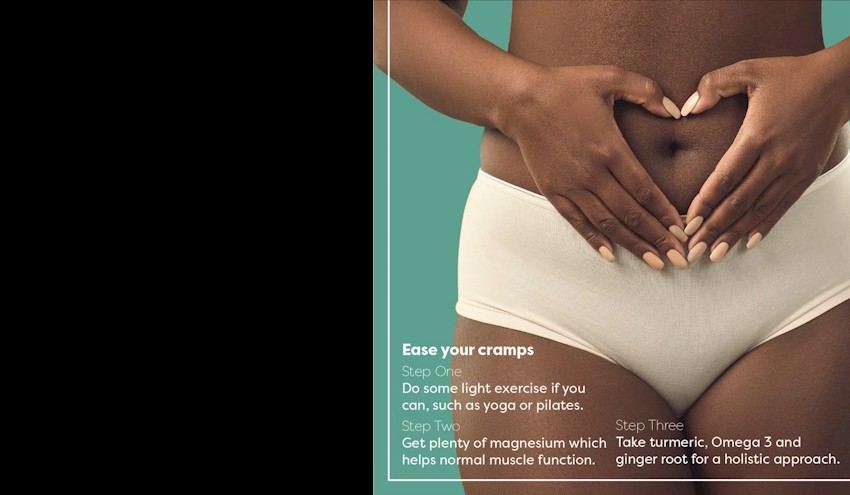
The rise and fall of all of these hormones is an incredible, finely balanced system. No wonder then that so many factors can throw it off and result in irregular cycles, with irregular or no ovulation, whether from jet lag, stress, lack of sleep, change in diet or exercise, or a micronutrient or vitamin deficiency. The most important message to understand with women’s health is this: there is rarely one solution for a symptom. It is often “multifactorial” = doctor speak for many factors contributing to the problem!
Seravita Wellness
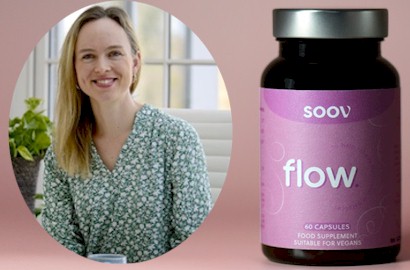
Dr Sophie Scandrett MBBS BSc Hons MRCOG
Dr Sophie qualified in 2017 with a full medical degree and Bachelor of Science in Anatomy & Reproduction. She now works as an Obstetrics & Gynaecology doctor for the NHS.
Shifren JL. Androgen in the oophorectimised women. Fertil Steril 2022;77 Suppl 4:S60-2

At Seravita Wellness, we believe a woman’s hormonal health should never be a mystery she has to solve alone.
We exist to support women with knowledge, comfort, and gentle natural care — through every change her body experiences.